Gender and the ‘Refugee Crisis’: Prioritising Gendered Approaches to Refugee Protection in Turkey
CTDC Policy Brief No. 1 – January 2017
This policy brief calls for a gendered, intersectional, and long-term approach to the refugee response in Turkey, particularly concerning Syrian refugees. Drawing on CTDC’s research, it highlights the systemic neglect of women, girls, and LGBTQI refugees, and the limitations of current humanitarian and state responses.
🔍 Key Issues Identified
Underfunded and superficial research has led to outdated assumptions and weak policy design.
Urban refugees face poor living conditions, poverty, sexual and labour exploitation, and social isolation—often exacerbated by gender.
Barriers to protection—including visa restrictions and the EU-Turkey deal—trap refugees in precarious limbo.
Language challenges hinder access to services and deepen gendered exclusion, particularly for women.
Child refugees face exploitation with little legal protection.
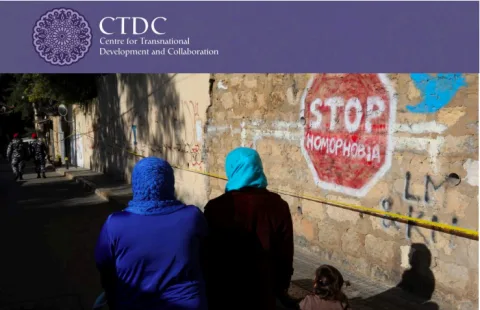
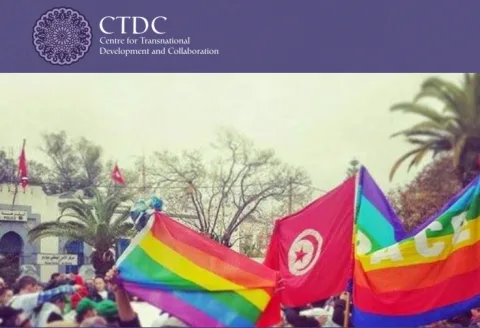
LGBTQI refugees endure double marginalisation, especially in conservative “satellite towns.”
Radicalisation risks are shaped by poverty and gendered exploitation.
Rigid gender binaries overlook women's shifting roles and emerging agency in displacement contexts.
🛠️ Recommendations Include
Recognise displacement as protracted, not a temporary crisis.
Fund gender-sensitive research and community-led programming.
Strengthen economic and legal opportunities for refugees, especially for marginalised groups.
Support local and non-state actors, particularly women- and LGBTQI-led organisations.
Invest in language acquisition, legal literacy, and community-based advocacy to combat exploitation and isolation.
👉 To read the full policy brief, click below 👇